How to Live in Davao on PHP 20,000 a Month

Living in Davao City on PHP 20,000–20,000/month (early 2026) is possible. According to PSA data, a significant portion of Davao’s workforce earns at or near that figure working entry-level BPO shifts, retail jobs, or freelance gigs. (For the freelancer route specifically, the Davao BIR registration guide walks the ORUS-only path to becoming a legally registered self-employed earner in 1-3 days for ₱30.) The complete cost of living guide puts the average single-person budget at PHP 25,000–35,000, but that assumes air conditioning, solo housing, and supermarket groceries.
Strip those out, make targeted cuts, and PHP 20,000 covers rent, food, utilities, transport, and a small buffer. This guide maps every line item.
Can You Actually Live on PHP 20,000 in Davao?
Yes — with specific sacrifices on housing, cooling, and food sourcing. The budget works when rent stays below PHP 5,000–8,000/month (early 2026) , meals come from carinderias and palengke cooking rather than restaurants, and air conditioning stays off. Based on Numbeo’s Davao cost data, roughly 30–40% of Davao’s renter population lives at or below this threshold, concentrated in outer barangays like Toril, Mintal, and Calinan where rents run significantly cheaper than the Poblacion–Lanang corridor.
The key constraint isn’t total income — it’s the rent-to-income ratio. Financial advisors recommend keeping housing under 30% of take-home pay. At PHP 20,000, that ceiling is PHP 6,000. Studios in central Davao start at PHP 10,000–15,000/month (early 2026) , which is immediately out of range. Budget living in Davao means either moving to outer areas, sharing an apartment, or renting a bedspace — and at this income level the apartment-vs-house trade-off usually decides itself: a small walk-up apartment in Toril or Mintal beats almost any standalone house on monthly cash flow.
The rest of this article breaks down exactly where the PHP 20,000 goes, line by line.
The PHP 20,000 Monthly Budget Breakdown
Every peso matters at this income level. Here’s a realistic allocation based on current Davao pricing:
| Category | Range (PHP) | Notes |
|---|---|---|
| Rent (bedspace or outer-area studio) | 3,500–7,000 | Toril/Mintal studio or Matina bedspace |
| Food (carinderia + palengke cooking) | 4,000–6,000 | 2 carinderia meals/day + home-cooked dinners |
| Electricity (DLPC, fan only) | 800–1,500 | No AC — fans, LED bulbs, minimal appliances |
| Water (DCWD) | 200–400 | |
| Internet (shared or mobile data) | 400–800 | Split fiber with housemates or mobile promo |
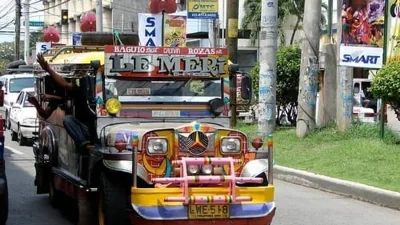
| Transport (jeepney/habal-habal) | 800–1,500 | Daily jeepney commute at PHP 13/ride |
| Phone load | 200–500 | |
| Misc (laundry, toiletries, emergencies) | 1,000–2,000 | |
| Total | 10,900–19,700 |
Estimates as of Early 2026. Actual costs vary by building, usage, and lifestyle.
At the low end, total expenses land around PHP 10,900, leaving a PHP 9,100 buffer for savings or unexpected costs. At the high end, PHP 19,700 leaves just PHP 300 of breathing room. Most people living on this budget fall somewhere in the middle, around PHP 14,000–16,000 in actual monthly spending, with PHP 4,000–6,000 left over. A natural home for that buffer is the Pag-IBIG MP2 5-year tax-free account — the 2025 dividend rate hit 7.12% and beats every Davao bank time-deposit net of withholding tax. If you are a returning OFW running this budget on reintegration, the OWWA benefits Davao OFWs forget to claim guide maps the scholarship, EDLP, and BPBH options that often free up another ₱5K-₱60K of monthly capacity.
Where to Rent in Davao on PHP 20,000 a Month
Housing under PHP 3,500–7,000/month (early 2026) exists in Davao, but not in the central districts. The areas where budget rents concentrate:
Toril sits about 14 kilometers south of the city centre along the Davao–Digos highway. Apartments and studios here list for PHP 3,500–6,000/month (early 2026) , some of the lowest rents in the city. The barangay has its own wet market, NCCC Mall Toril, and a growing cluster of eateries along the highway.
What you give up is commute time: 30–45 minutes to Bajada or Matina via jeepney along McArthur Highway, longer during afternoon rush. For workers with jobs in the southern districts or remote workers who don’t commute daily, Toril offers the most space for the money.
Mintal and Catalunan Grande line the Diversion Road corridor heading toward UP Mindanao. Rent here runs PHP 4,000–7,000/month (early 2026) for studios and small apartments. Students at UP Mindanao and workers commuting to the Matina IT corridor keep demand steady. Jeepneys to the city centre run frequently during the day, but thin out after 8pm.
Bedspaces in Matina and Ma-a flip the equation: central location at budget prices. Bedspace rates along Ma-a Road and the side streets off Quimpo Boulevard run PHP 2,500–5,500/month (early 2026) , often with water and electricity included in the rate. Expect a shared room (2–4 beds) and a common bathroom.
This option works well for BPO workers and students who need to be close to offices or campus. You lose privacy, but the savings on both rent and transport are significant.
Bago Olunga and Bangkal sit between Matina and Toril, offering a middle ground. Apartments here list for PHP 4,000–6,500/month (early 2026) . The area is less developed than Matina but closer to the city centre than Toril, with jeepney access along Quimpo Boulevard.
Food on a Budget: Carinderia, Cooking, and Palengke Math
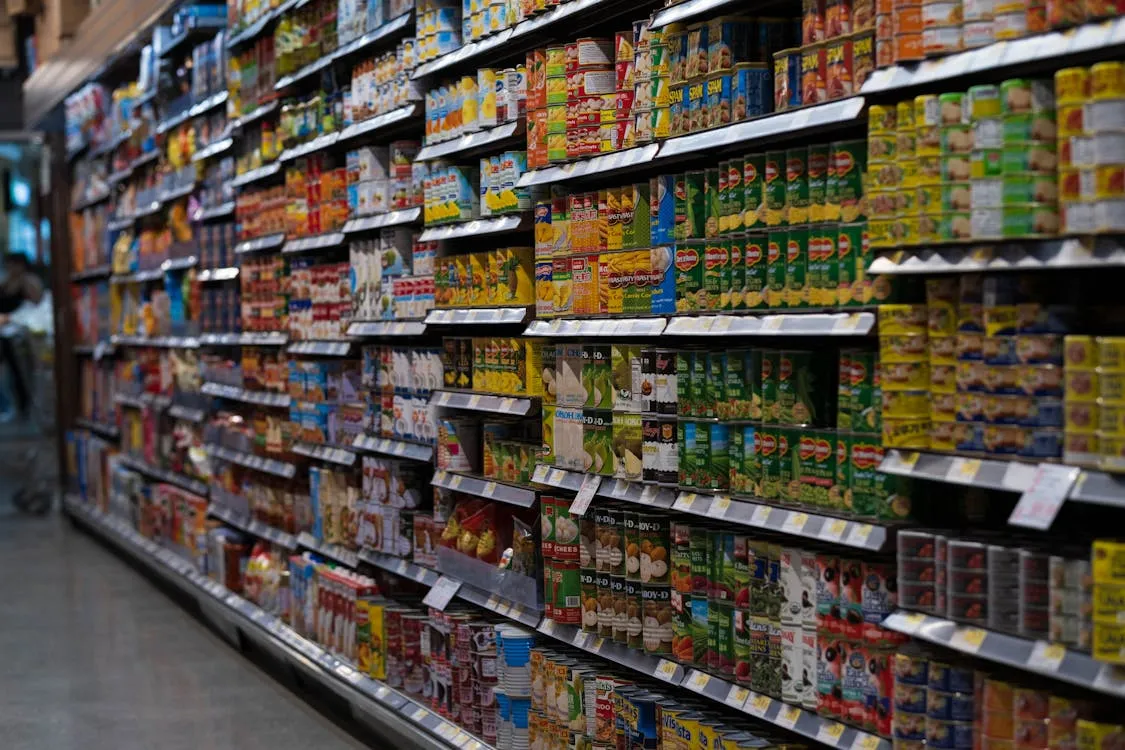
Food is the second-largest expense, and also the most controllable. Budget residents in Davao typically spend PHP 4,000–6,000/month (early 2026) by mixing three strategies.
Carinderias are the backbone of budget eating in Davao. A plate of rice with one ulam (viand) runs PHP 50–70 (early 2026) at most neighborhood carinderias — sometimes less in outer areas like Toril and Mintal. Two carinderia meals a day at PHP 60 average comes to PHP 3,600 per month.
Carinderias along Quimpo Boulevard, near SM City Davao, around the University of Mindanao, and scattered through every residential barangay serve standard Filipino meals: adobo, tinola, sinigang, fried fish, and vegetable dishes. Portions are working-class sized, enough to sustain a full workday.
Palengke cooking is where the real savings happen. Bankerohan Public Market. Davao’s largest wet market, located near Bankerohan Bridge along the Davao River, sells fresh vegetables, fish, and meat at 20–40% below supermarket prices.
A kilo of bangus runs PHP 160–200 at Bankerohan versus PHP 220–280 at Gaisano or SM supermarkets. Tomatoes, eggplant, and kangkong cost PHP 30–60 per kilo at palengke versus PHP 50–90 at grocery stores. Buying a week’s vegetables and protein at Bankerohan for PHP 500–800 provides enough ingredients for 14–20 home-cooked meals.
The Agdao Public Market offers similar pricing with less crowding than Bankerohan, and is more convenient for residents of the northern barangays.
The hybrid approach most budget residents use: cook rice and simple meals at home (sinigang, ginisa, sardine variations), then buy carinderia ulam when cooking isn’t practical. This keeps food spending around PHP 4,500–5,500 per month, well within the PHP 20,000 budget.
Cutting Utility Costs in Davao
Utilities are where budget living requires the most discipline. The difference between a comfortable setup and a budget setup is PHP 3,000–5,000/month (early 2026) , almost entirely driven by air conditioning.
Electricity (DLPC) is the biggest variable. A fan-only household with LED bulbs, a refrigerator, and basic appliances pays PHP 800–1,500/month (early 2026) on DLPC rates of approximately PHP 10–13/kWh. Add a non-inverter window-type AC running 6–8 hours per day, and that jumps to PHP 4,000–6,000/month (early 2026) .
At the PHP 20,000 budget level, AC is the single item that breaks the budget. The electricity cost breakdown covers the detailed kWh calculations, and the electricity savings guide shows how to cut PHP 1,500–3,000/month through inverter upgrades, timer strategies, and phantom load fixes.
Davao’s climate helps more than most Philippine cities, temperatures typically range from 24°C to 33°C, and the city gets more consistent breeze than Manila’s heat-island effect. A good ceiling fan or stand fan (PHP 800–2,000 one-time cost) and cross-ventilation from open windows make fan-only living genuinely comfortable in most months.
Higher-floor apartments catch more breeze, worth considering when unit shopping.
Water (DCWD) is Davao’s most affordable utility. Basic household consumption runs PHP 200–400/month (early 2026) for a single person. The water bill guide breaks down DCWD’s tiered rate structure.
Internet on a tight budget means either splitting a fiber connection or relying on mobile data. A Converge or PLDT fiber plan costs PHP 1,500–2,500/month (early 2026) for 50–100Mbps, but splitting with 2–3 housemates drops the per-person cost to PHP 400–800/month (early 2026) .
For solo renters in outer areas where fiber coverage is spotty, Globe or Smart mobile data promos at PHP 299–599 per month provide usable connectivity for messaging, social media, and light browsing.
Practical power-saving steps that add up:
- LED bulbs (PHP 50–100 each) use 75% less electricity than incandescent
- Unplug chargers, TV, and appliances when not in use, standby power draws PHP 50–150 per month
- Wash clothes by hand or use a laundromat (PHP 40–65 per load) instead of running a washing machine
- Set the refrigerator to medium, the coldest setting increases electricity consumption by 15–25%
For the complete guide on getting utilities connected, see the utilities setup guide.
When Budget Living Gets Harder
The PHP 20,000 budget faces seasonal pressure at specific times of year.
March through May is Davao’s hottest stretch, with daytime temperatures hitting 33–35°C. Without AC, fan-only living is noticeably less comfortable, and the temptation to switch on a window-type AC (adding PHP 3,000–5,000/month (early 2026) to your DLPC bill) can break the budget. Higher-floor units with cross-ventilation handle the heat better, worth paying PHP 500–1,000 more in rent to avoid the AC trap.
June through November brings the rainy season, and budget renters in ground-floor units or bedspaces near the Matina River basin face flood risk. Boarding houses along Ma-a Road near Davao River and in Matina Crossing are among the cheapest options in central Davao, but they flood during heavy rains.
Replacing a mattress (PHP 3,000–5,000) or electronics damaged by a single flood event wipes out months of savings. Budget renters should either avoid ground-floor units in flood zones or keep valuables elevated.
BPO hiring peaks in January-February and the academic enrollment rush in June both tighten the rental market temporarily, pushing even outer-area rents up by PHP 500–1,000. Signing a lease during March-April or September-October gives you more options and negotiating room at budget price points.
For safety in outer barangays: Davao ranks among the Philippines’ safest cities, and this extends to budget areas like Toril and Mintal. The main practical concern is limited jeepney service after 8 PM in some outer routes, plan evening commutes accordingly or budget for occasional Grab rides.
Ang Tinuod sa Pagpuyo sa Bente Mil
PHP 20,000 per month in Davao is not comfortable, but it is workable. The budget demands clear sacrifices: no air conditioning, housing in outer barangays or shared quarters, palengke over supermarket, and carinderias over restaurants.
What makes Davao viable at this income level is the combination of low base rents outside the centre, affordable carinderia culture, cheap DCWD water rates, and a jeepney network that connects outer areas for PHP 13 per ride. The margin is thin, but thousands of Davao residents make it work every month. Kaya ra gyud.
Frequently Asked Questions
- Can you live on PHP 20,000 a month in Davao City?
- Yes, but it requires deliberate compromises. A realistic breakdown puts rent at PHP 3,500–8,000 (bedspace or outer-area studio), food at PHP 4,000–6,000 (carinderia and palengke cooking), utilities at PHP 1,500–3,000 (no AC, shared internet), and transport at PHP 800–1,500. The budget works if you skip air conditioning, cook at home, and live outside the city centre.
- What is the cheapest area to rent in Davao City?
- Toril, Mintal, Calinan, and Bago Olunga consistently offer the lowest rents in Davao. Studios and apartments in these areas list for PHP 3,500–7,000 per month as of early 2026. The catch is a 30–50 minute commute to the city centre via McArthur Highway or Diversion Road.
- How much does food cost per month in Davao on a tight budget?
- Budget eaters in Davao spend PHP 4,000–6,000 per month by combining carinderia meals (PHP 50–70 per plate with rice) with home cooking using palengke ingredients from Bankerohan or Agdao. Supermarket groceries run 20–40% higher than palengke prices for fresh produce, fish, and meat.
- Is it cheaper to eat at carinderias or cook at home in Davao?
- Cooking at home using palengke ingredients costs roughly PHP 35–55 per meal. Carinderia meals run PHP 50–80. Cooking is cheaper per meal but requires gas, condiments, and time. Most budget residents mix both. They cook rice and simple meals at home while buying ulam from carinderias when it's more practical.
- How do you cut electricity costs in Davao without AC?
- Fan-only households in Davao typically pay PHP 800–1,500 per month for electricity through DLPC. Key strategies include using LED bulbs, unplugging appliances when not in use, doing laundry at off-peak hours, and keeping the refrigerator set to medium. The biggest single savings is avoiding air conditioning entirely, which alone saves PHP 2,000–4,500 per month.