Davao vs Manila Cost of Living: Side-by-Side Breakdown
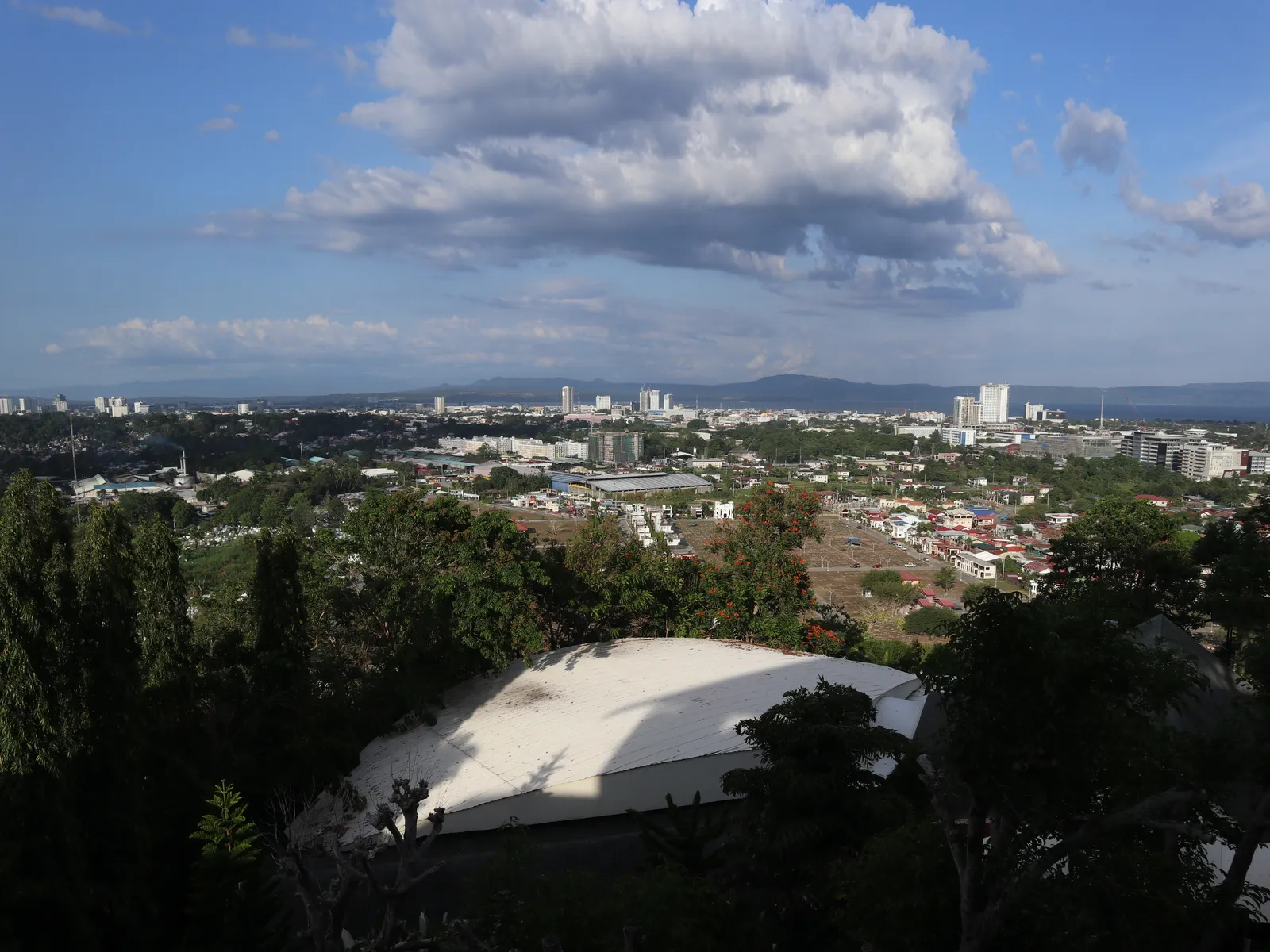
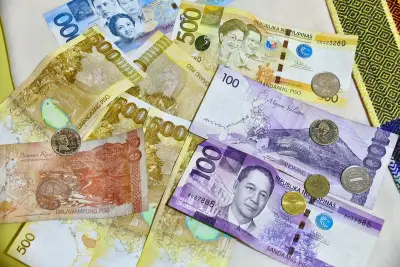
Davao costs less than Manila. How much less? About 25–31% overall when rent is included (Numbeo, early 2026). A single person can cover rent, food, utilities, and transport here for PHP 25,000–35,000/month (early 2026) .
The gap is widest in housing: Davao rents run 40–60% below Makati or BGC equivalents. Utilities, food, and transport are closer. But the cumulative savings still add up to thousands of pesos each month, and the comparison below uses current 2026 figures so you can run the numbers yourself. For a full breakdown of Davao expenses alone, see the cost of living guide.
How Much Cheaper Is Davao Than Manila?
25–31% cheaper. That is the headline number from Numbeo and Expatistan as of early 2026, with rent factored in. Strip out rent? The gap narrows to about 15–20%. Food and groceries are only moderately cheaper outside the capital. The real savings come from housing. A person spending PHP 15,000 on a 1-bedroom in Davao’s Bajada district would need PHP 30,000–40,000 for a comparable unit near a Makati or BGC office tower.
| Category | Davao | Manila |
|---|---|---|
| Overall cost (with rent) | 25–31% lower | Baseline |
| Rent (1BR city centre) | PHP 15,000–25,000 | PHP 30,000–50,000 |
| Groceries (single person) | PHP 8,000–12,000 | PHP 10,000–15,000 |
| Dining out (inexpensive) | PHP 150–250 | PHP 200–350 |
| Utilities (basic) | PHP 6,000–10,000 | PHP 7,500–13,000 |
| Transport (monthly) | PHP 1,500–3,500 | PHP 2,500–5,000 |
One caveat: Davao salaries are also lower. Numbeo’s crowdsourced data puts the average net salary in Davao at roughly PHP 13,000–15,000 versus PHP 25,000–27,000 in Manila.
The cost savings story is strongest for remote workers earning Manila or foreign salaries, BPO workers transferring offices at the same pay grade, and retirees on fixed income. A local hire in Davao earning less than the Manila equivalent may not feel the 25–31% gap as real savings.
The percentage also depends on lifestyle. A renter who takes Grab daily and eats out at restaurants will see a smaller gap than someone riding jeepneys and cooking at home, because transport and dining markups in Manila scale with distance and location.
Either way, the direction is consistent: Davao costs less across every major category.
Rent: The Biggest Difference
Housing accounts for most of the savings. A studio in Davao’s Poblacion or Matina area lists for PHP 7,000–14,000/month (early 2026) , while a comparable studio in Quezon City or Mandaluyong starts at PHP 12,000–20,000/month (early 2026) — and jumps higher in Makati or BGC. Move up to a 1-bedroom and the spread widens further.
| Unit Type | Davao | Manila (non-CBD) | Manila (Makati/BGC) |
|---|---|---|---|
| Studio | PHP 7,000–14,500 | PHP 12,000–20,000 | PHP 18,000–40,000 |
| 1-Bedroom | PHP 15,000–25,000 | PHP 18,000–30,000 | PHP 30,000–50,000 |
| 2-Bedroom | PHP 15,000–35,000 | PHP 25,000–40,000 | PHP 40,000–75,000 |
| 3-Bedroom | PHP 28,000–48,000 | PHP 35,000–60,000 | PHP 60,000–120,000 |
In Davao, buildings like Avida Towers Davao, Suntrust Asmara, and Azuela Cove represent the higher end of the local market. Furnished units in both cities carry a 20–30% premium over bare units, but the base prices are so different that a furnished Davao apartment often costs less than a bare Manila one in the same class.
One structural advantage in Davao: shorter lease negotiation. Manila landlords in premium buildings often demand 12-month contracts with 3-month deposits. Davao landlords more commonly accept 6-month terms with the standard 2-month deposit plus 1-month advance under the Rent Control Act.
For a detailed guide to renting in Davao, see the complete renting guide.
Utilities: Electricity, Water, Internet
Utility costs are closer between the two cities than rent, but Davao still comes in lower, partly due to rates and partly due to climate.
| Utility | Davao | Manila |
|---|---|---|
| Electricity provider | DLPC (Davao Light) | Meralco |
| Rate per kWh | PHP 10–13 | PHP 12–14 |
| Typical monthly bill | PHP 2,500–7,500 | PHP 3,500–9,000 |
| Water provider | DCWD | Maynilad / Manila Water |
| Water bill (monthly) | PHP 300–800 | PHP 500–1,200 |
| Internet (fiber 50–100Mbps) | PHP 1,500–2,500 | PHP 1,500–2,500 |
Electricity is where the gap matters most. DLPC rates sit at roughly PHP 10–13/kWh (early 2026) , while Meralco’s March 2026 residential rate came in at PHP 13.82/kWh. That PHP 2–3 difference per kWh compounds quickly with AC usage. A renter running a 1.5HP inverter AC for 8 hours a day pays roughly PHP 2,000–3,000/month (early 2026) in Davao versus PHP 2,800–4,200/month (early 2026) in Manila for the same hours. Davao’s climate is also slightly milder than Manila’s urban heat island, so many renters use less AC overall. See the electricity cost breakdown for the full DLPC math.
Water costs less in Davao across the board. DCWD residential rates produce monthly bills of PHP 300–800/month (early 2026) for typical apartment usage. Maynilad and Manila Water customers consuming 20 cubic meters pay around PHP 700–1,200 after the January 2026 rate adjustments. For DCWD specifics, see the water bill guide.
Internet is essentially the same price in both cities. Converge, PLDT, and Globe offer fiber plans at PHP 1,500–2,500/month (early 2026) for 50–100Mbps regardless of city. Availability varies by building, in Davao, Converge has its strongest coverage in Agdao, Poblacion, Talomo, and Lanang.
Food and Groceries
Daily food costs run 10–20% lower in Davao than Manila, with the gap largest at the budget end and smallest at mid-range restaurants.
| Meal Type | Davao | Manila |
|---|---|---|
| Carinderia meal | PHP 50–80 | PHP 70–120 |
| Fast food combo | PHP 150–200 | PHP 170–230 |
| Inexpensive restaurant | PHP 200–350 | PHP 250–400 |
| Mid-range dinner (2 people) | PHP 1,500–2,000 | PHP 1,800–3,000 |
| Groceries (single, monthly) | PHP 8,000–12,000 | PHP 10,000–15,000 |
The carinderia gap is the most noticeable in daily spending. A renter eating two carinderia meals a day in Davao spends roughly PHP 100–160. The same habit in Manila, particularly near BGC, Makati, or Ortigas, runs PHP 140–240. Over a month, that difference alone reaches PHP 1,200–2,400. For a full rundown of affordable eating in Davao, see the carinderia guide.
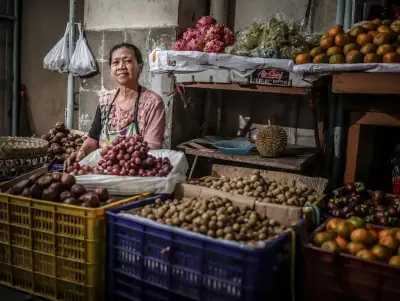
Grocery staples at SM, Gaisano, or NCCC in Davao generally price 5–15% below their Manila equivalents, though branded imports and specialty items cost about the same everywhere. The gap is widest on produce, bananas at Bankerohan Public Market run roughly PHP 40–60/kg versus PHP 80–120/kg at Manila supermarkets, and local vegetables (camote tops, kangkong, eggplant) cost 30–50% less when bought at palengke rather than grocery stores.
Rice prices are similar nationwide (PHP 45–55/kg for standard varieties), but eggs, chicken, and fresh fish consistently cost less in Davao’s wet markets.
Transport: Jeepney, Grab, and the MRT Factor
Manila has something Davao does not: a rail system. The MRT-3 and LRT lines charge PHP 15–35 (early 2026) per ride and cover key corridors like EDSA and Taft Avenue. Davao relies entirely on road-based transport, jeepneys, tricycles, habal-habal, taxis, and Grab. There is no MRT, no BRT, and no rail line under construction as of early 2026.
| Transport Mode | Davao | Manila |
|---|---|---|
| Jeepney (base fare) | PHP 13 | PHP 14–17 |
| Modern jeepney | Limited rollout | PHP 17 (base) |
| Grab (typical city ride) | PHP 100–250 | PHP 150–400 |
| MRT / LRT | None | PHP 15–35 |
| Taxi (flag + per km) | PHP 50 + PHP 15/km | PHP 45 + PHP 15/km |
| Monthly commute estimate | PHP 1,500–3,500 | PHP 2,500–5,000 |
Grab fares in Manila run higher than Davao primarily because rides are longer and traffic surges are more frequent. A Grab from Makati to Quezon City routinely hits PHP 300–450 during rush hour. In Davao, most Grab rides within the city stay under PHP 100–250 (early 2026) . Surge pricing is less common because traffic congestion is lighter. In Davao, most Grab rides within the city stay under PHP 100–250 (early 2026) , and surge pricing is less common because traffic congestion is lighter.
Beyond Cost: Safety and Quality of Life
Cost is the measurable difference, but quality of life is what makes people stay. Davao consistently ranks as the 2nd to 3rd safest city in the Philippines, with a safety score of 71.5 (3rd in Southeast Asia per Numbeo) and a night-safety rating of 83.96 — numbers that Manila doesn’t approach.
The 24-hour CCTV monitoring and Central 911 emergency system give Davao a responsiveness that Manila’s fragmented LGU system can’t match.
Manila offers more: more restaurants, more nightlife, more career options in finance, media, and government. Davao offers less stress: shorter commutes, lower crime, cleaner air, and a pace that doesn’t punish you for living outside the CBD.
For renters specifically, Davao’s landlord-tenant dynamics tend to be more personal and less corporate — which cuts both ways, but generally means more flexibility on lease terms and payment timing.
The flood and weather comparison also favors Davao overall. Manila sits in the typhoon belt and floods regularly across wide areas (Marikina, parts of Quezon City, Tondo). Davao has specific flood-prone zones, primarily along the Matina River basin and Bankerohan, but the rest of the city stays relatively dry.
Davao’s location south of the typhoon belt means fewer direct hits, though flash flooding during heavy rains is still a real concern in specific barangays.
For people relocating, the moving from Manila guide covers the practical transition details, and the safety data breakdown maps safety by neighborhood.
Seasonal Pricing Patterns
The cost gap between Davao and Manila shifts slightly by season. Manila rents near universities spike during June-August enrollment. In Davao, the same pattern hits around BPO hiring peaks in January-February, academic enrollment in June. Kadayawan Festival in August. In Davao, the same pattern hits around BPO hiring peaks in January-February, academic enrollment in June, and Kadayawan Festival in August.
Utility costs also shift seasonally. Davao’s hottest months (March-May) push AC usage and electricity bills up by 20-30% compared to the cooler months of November-January.
Manila’s heat island effect makes this seasonal swing even more pronounced, a Manila renter’s Meralco bill in April can run 40-50% above their January bill.
Total Monthly Budget Comparison
Here’s what the complete picture looks like at two income levels, a PHP 25,000 budget (typical entry-level BPO salary) and a PHP 50,000 budget (mid-career professional or remote worker).
| Category | Range (PHP) | Notes |
|---|---|---|
| Rent (studio) | 7,000–10,000 | Davao: Matina/Buhangin studio |
| Electricity (DLPC) | 1,500–3,500 | Light AC or fan only |
| Water (DCWD) | 300–500 | |
| Internet | 1,500–1,500 | Converge/PLDT fiber |
| Food | 5,000–8,000 | Carinderia + home cooking |
| Transport | 1,000–2,000 | Jeepney + occasional Grab |
| Phone + misc | 1,000–2,000 | |
| Total | 17,300–27,500 |
Estimates as of Early 2026. Actual costs vary by building, usage, and lifestyle.
At PHP 25,000, Davao leaves room for savings, the total above lands at PHP 17,300–27,500, and a disciplined renter stays closer to the low end. The same budget in Manila forces hard choices: a studio in Quezon City at PHP 12,000–15,000 already eats half the budget before food or transport.
A BPO worker in Davao on this salary has meaningfully more breathing room. For a full guide to stretching PHP 20,000 in Davao, see the budget living guide.
| Category | Range (PHP) | Notes |
|---|---|---|
| Rent (1BR, city centre) | 15,000–25,000 | Davao: Lanang/Bajada 1BR |
| Electricity (DLPC) | 3,000–5,500 | Regular AC usage |
| Water (DCWD) | 300–800 | |
| Internet | 1,500–2,500 | Fiber 50–100Mbps |
| Food | 8,000–12,000 | Mix of cooking, carinderia, dining out |
| Transport | 2,000–3,500 | Grab + jeepney mix |
| Phone + misc | 1,500–3,000 | |
| Total | 31,300–52,300 |
Estimates as of Early 2026. Actual costs vary by building, usage, and lifestyle.
At PHP 50,000 in Davao, total expenses land around PHP 31,300–52,300, with the lower end leaving nearly PHP 19,000 in savings. In Manila, the same lifestyle with a 1-bedroom in Makati or BGC at PHP 30,000–50,000 would consume the entire budget before meaningful savings. A 1-bedroom in Lanang at PHP 15,000–20,000 delivers a comparable quality of life at a fraction of the Manila price.
What Locals Actually Say About Manila vs Davao
The numbers consistently point in one direction: Davao costs less than Manila across rent, utilities, food, and transport. The gap is largest in housing and smallest in internet and grocery staples. For someone earning the same salary in both cities, Davao offers either more savings or a higher standard of living per peso spent.
But on pure cost math, Davao delivers more per peso — layo ang maabot sa kwarta diri. Manila has rail transit, more job options in certain industries, and a wider restaurant and entertainment scene. The full cost of living guide breaks down what you’ll actually spend.
Frequently Asked Questions
- How much cheaper is Davao than Manila?
- Davao is roughly 25-31% cheaper than Manila overall when rent is included. The biggest gap is in housing — studios and 1-bedroom units in Davao cost 40-60% less than equivalent units in Makati or BGC. Utilities and food savings are smaller but still meaningful at 10-25%.
- What is the average rent in Davao vs Manila?
- A 1-bedroom apartment in Davao's city centre rents for PHP 15,000-25,000 per month as of early 2026. The same unit in Makati or BGC runs PHP 30,000-50,000. Outside city centres, Davao drops to PHP 8,000-14,000 while Manila stays at PHP 15,000-25,000.
- Is electricity cheaper in Davao or Manila?
- Davao's DLPC rate is about PHP 10-13 per kWh, while Manila's Meralco rate sits at PHP 12-14 per kWh as of early 2026. Davao also has a milder climate, so most renters use less AC, which further reduces the actual monthly bill.
- Can you live on PHP 25,000 a month in Davao?
- Yes. A single person in Davao can cover rent, utilities, food, and transport on PHP 25,000 by choosing a studio in areas like Matina or Buhangin and cooking most meals. The same budget in Manila would require a bedspace or shared room in a less central area.
- Does Manila have better public transport than Davao?
- Manila has the MRT and LRT rail lines (PHP 15-35 per ride), which Davao lacks entirely. However, Manila's traffic congestion means total commute times are often longer despite the rail option. Davao relies on jeepneys (PHP 13 base fare), tricycles, and Grab.