Davao vs Cebu: Which City is Cheaper for Renters?
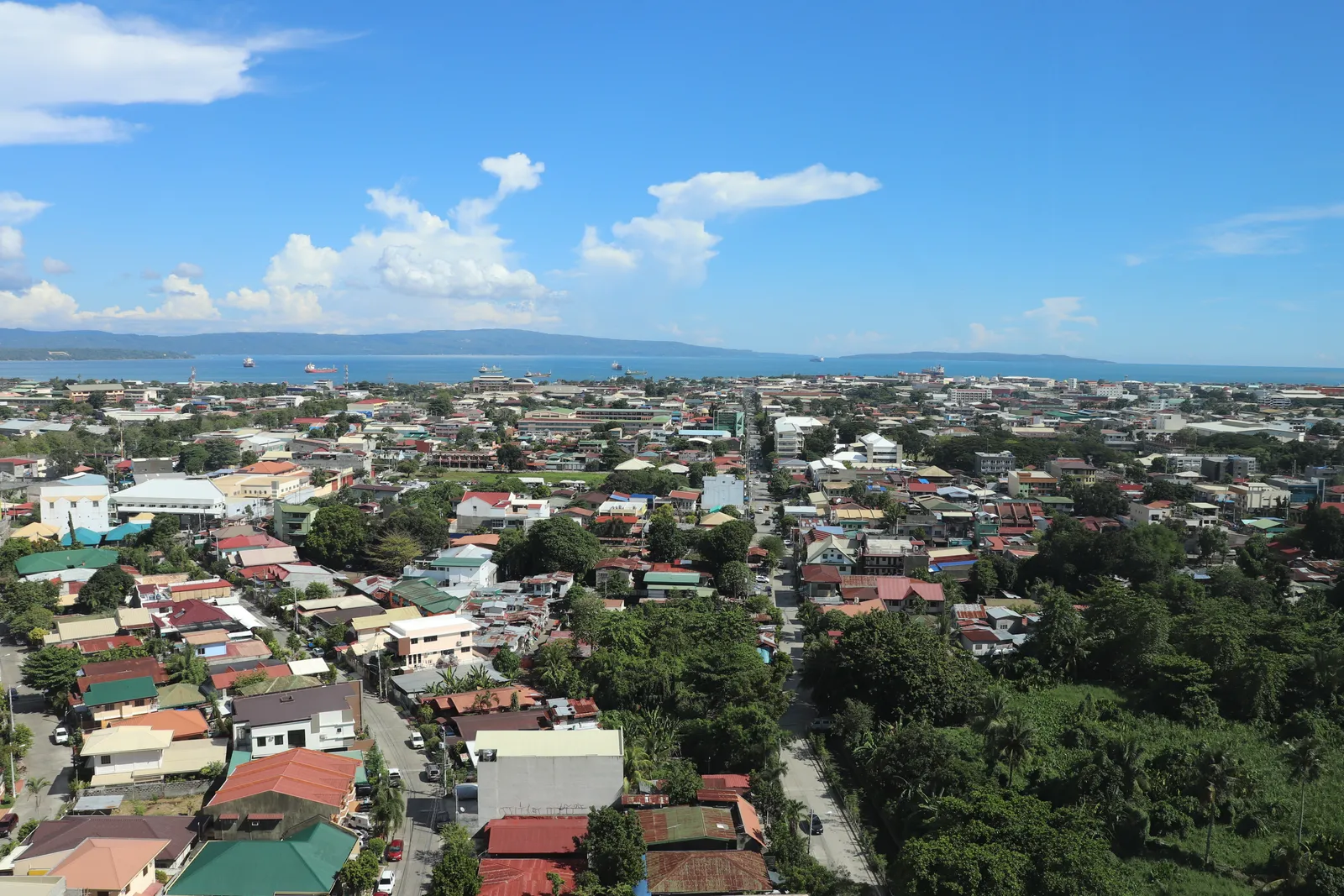
Davao and Cebu are the two largest cities in the southern Philippines, and both attract BPO workers, students, and transplants from Manila looking for lower costs. A single renter in Davao can expect to spend PHP 20,000–32,000/month (early 2026) on all basic expenses, compared to PHP 24,000–38,000/month (early 2026) for a similar lifestyle in Cebu City (Numbeo, Expatistan).
The difference is narrower than the Davao-Manila gap, but it adds up, especially in rent and electricity. For a full breakdown of Davao expenses alone, see the complete cost of living guide.
Davao vs Cebu: Overall Cost Comparison
Davao runs approximately 5–15% cheaper than Cebu when rent is included, based on Numbeo and Expatistan crowdsourced data from early 2026. The gap narrows if you strip out housing and compare only groceries and dining, where prices are within a few percentage points.
The biggest savings come from rent and, to a lesser extent, electricity, two categories that account for the bulk of a renter’s monthly spending.
| Category | Davao | Cebu |
|---|---|---|
| Overall cost (with rent) | 5–15% lower | Baseline |
| Rent (1BR city centre) | PHP 15,000–25,000 | PHP 18,000–30,000 |
| Groceries (single person) | PHP 8,000–12,000 | PHP 9,000–13,000 |
| Dining out (inexpensive) | PHP 150–250 | PHP 180–300 |
| Utilities (basic monthly) | PHP 6,000–10,000 | PHP 7,000–11,500 |
| Transport (monthly) | PHP 1,500–3,500 | PHP 2,000–4,000 |
Both cities sit well below Manila’s cost levels — Davao by roughly 25–31% and Cebu by about 15–20%. For renters comparing the two Mindanao-Visayas options directly, the question is whether Davao’s lower costs outweigh Cebu’s larger job market and more developed commercial districts. The numbers below break it down category by category.
Rent: How Much Do You Save in Davao?
Rent is where Davao pulls ahead most clearly. A studio in Davao’s Matina, Buhangin, or Poblacion area lists for PHP 7,000–14,000/month (early 2026) , while a comparable studio near Cebu IT Park or Lahug starts at PHP 10,000–18,000/month (early 2026) .
Move to a 1-bedroom and the spread continues — Cebu’s premium areas like IT Park and Cebu Business Park push rents into territory that Davao simply does not reach.
| Unit Type | Davao | Cebu |
|---|---|---|
| Studio (outside centre) | PHP 7,000–10,000 | PHP 8,000–12,000 |
| Studio (city centre) | PHP 10,000–14,500 | PHP 12,000–18,000 |
| 1-Bedroom (city centre) | PHP 15,000–25,000 | PHP 18,000–30,000 |
| 2-Bedroom | PHP 15,000–35,000 | PHP 20,000–40,000 |
| 3-Bedroom | PHP 28,000–48,000 | PHP 30,000–55,000 |
In Davao, buildings like Avida Towers Davao and Suntrust Asmara along JP Laurel Avenue represent the higher end of the condo market, with furnished 1-bedrooms reaching PHP 20,000–28,000/month (early 2026) . In Cebu, comparable units at Avida Towers Riala or Mandani Bay in Mandaue list for PHP 25,000–38,000/month (early 2026) , sometimes more for fully furnished units with city or sea views.
Cebu’s rental premium reflects its larger commercial footprint. IT Park alone concentrates dozens of BPO offices, restaurants, and retail within a 24-hectare PEZA-registered zone, and proximity to that hub commands higher rents.
Davao’s BPO corridor in Matina and business parks in Lanang are more spread out, which keeps competition for nearby housing lower. For details on renting in Davao’s key areas, see the complete renting guide.
Utilities: DLPC vs VECO, DCWD vs MCWD
Electricity and water are the two utility categories where the cities diverge. Internet costs are virtually identical.
| Utility | Davao | Cebu |
|---|---|---|
| Electricity provider | DLPC (Davao Light) | VECO (Visayan Electric) |
| Rate per kWh | PHP 10–13 | PHP 12–13 |
| Typical monthly bill | PHP 2,500–7,500 | PHP 3,000–8,000 |
| Water provider | DCWD | MCWD |
| Water bill (monthly) | PHP 300–800 | PHP 500–1,000 |
| Internet (fiber 50–100Mbps) | PHP 1,500–2,500 | PHP 1,500–2,500 |
Electricity is the bigger factor. DLPC residential rates sit at roughly PHP 10–13/kWh (early 2026) , while VECO’s rate reached PHP 12.79/kWh as of February 2026, and has spiked to PHP 12.51/kWh or higher in past billing periods due to WESM spot market volatility.
The per-kWh gap is PHP 1–2, but compound that across 200–400 kWh of monthly consumption (typical for a renter using AC) and the difference reaches PHP 300–800/month (early 2026) . For detailed DLPC math, see the electricity cost breakdown. For the current per-kWh gap and monthly bill math, see DLPC vs VECO electricity compared.
Water shows a clearer gap. DCWD residential rates produce bills of PHP 300–800/month (early 2026) for typical apartment use. MCWD in Cebu recently implemented the final 10% tranche of a rate adjustment in April 2026, raising the minimum charge to PHP 259.16 for the first 10 cubic meters, with commodity charges at PHP 28.64/m³ for 11–20 cubic meters.
A Cebu renter using 15–20 cubic meters per month now pays roughly PHP 500–1,000/month (early 2026) . Davao’s water bills are consistently lower. For DCWD specifics, see the water bill guide.
Internet is a wash. Converge, PLDT, and Globe offer fiber plans at PHP 1,500–2,500/month (early 2026) in both cities. In Davao, Converge has its best coverage in Agdao, Poblacion, Talomo, and Lanang. In Cebu, Converge coverage is strong in Lahug, Mandaue, and areas near IT Park.
Food and Daily Expenses
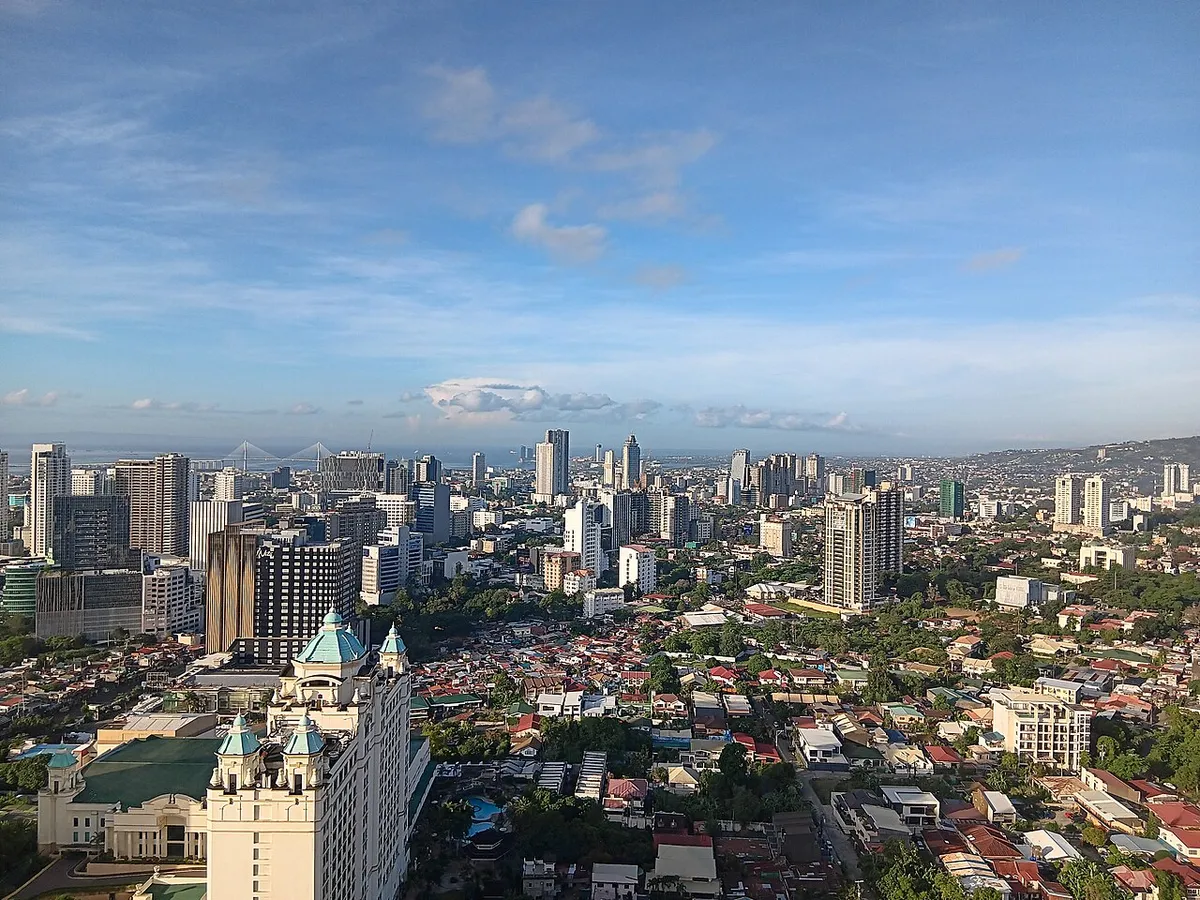
Food costs are close between the two cities. Cebu edges slightly higher, particularly for casual dining and wet market prices, but the difference is less dramatic than rent.
| Meal Type | Davao | Cebu |
|---|---|---|
| Carinderia meal | PHP 50–80 | PHP 60–90 |
| Fast food combo | PHP 150–200 | PHP 160–220 |
| Inexpensive restaurant | PHP 200–350 | PHP 250–400 |
| Mid-range dinner (2 people) | PHP 1,500–2,000 | PHP 1,500–2,500 |
| Groceries (single, monthly) | PHP 8,000–12,000 | PHP 9,000–13,000 |
A renter eating two carinderia meals a day in Davao spends roughly PHP 100–160. The same pattern in Cebu, particularly near IT Park where food court prices skew higher, runs PHP 120–180. Over a month that gap amounts to PHP 600–1,200 — meaningful for someone on a tight budget but not transformative on its own.
Bankerohan Public Market in Davao and Carbon Market in Cebu both offer vegetables, fish, and fruit below grocery store prices. For a full guide to eating affordably in Davao, see the carinderia guide.
Transport: Commute Costs and Options
Neither city has a rail system, both rely on jeepneys, taxis, and Grab.
Cebu has a slight disadvantage in commute distances because its metro area sprawls across Cebu City, Mandaue, Lapu-Lapu, and Talisay, meaning many workers commute between cities rather than within one.
| Transport Mode | Davao | Cebu |
|---|---|---|
| Jeepney (base fare) | PHP 13 | PHP 13–15 |
| Grab base fare (sedan) | PHP 45 | PHP 65 |
| Grab (typical city ride) | PHP 100–250 | PHP 120–300 |
| Taxi (flag + per km) | PHP 50 + PHP 15/km | PHP 45 + PHP 13.50/km |
| Monthly commute estimate | PHP 1,500–3,500 | PHP 2,000–4,000 |
Jeepney base fares are nearly identical. The real difference shows up in Grab costs and total monthly spending. Cebu Grab rides tend to run PHP 20–50 higher than equivalent Davao distances because Metro Cebu is more spread out, a ride from Mandaue to IT Park can hit PHP 150–250 during peak hours.
In Davao, most Grab rides within the city stay under PHP 100–250 (early 2026) , and surge pricing is less frequent because traffic congestion is lighter. For Davao transport details, see the transport cost guide.
Davao’s compact layout is a hidden advantage. A jeepney from Matina to SM Lanang Premier takes 15–25 minutes off-peak via Quimpo Blvd.
In Cebu, commuting from Mandaue to IT Park or from Talisay to Cebu Business Park routinely takes 30–45 minutes during rush hour. Shorter commutes mean lower daily transport spending even when per-ride fares are similar.
BPO and Job Market: Cebu vs Davao
Both cities are major BPO hubs, but Cebu has a larger and more established outsourcing industry. Cebu IT Park alone houses operations for Accenture, JPMorgan Chase, Concentrix, TDCX, and Cognizant, among dozens of others.
Davao’s BPO presence is concentrated around the Matina IT corridor and Lanang business parks, with employers including Accenture, Teleperformance, Concentrix, Sutherland, and TaskUs.
BPO salaries in both cities are comparable, entry-level agents earn PHP 18,000–25,000/month (early 2026) , while mid-level roles reach PHP 25,000–35,000/month (early 2026) . Neither city pays significantly more than the other for equivalent positions. Both pay 20–35% less than Manila for the same roles.
The key difference is volume. Cebu has more BPO seats and more companies, which translates to more job openings and potentially faster career movement. Davao has fewer firms but also less competition for positions and for housing near the BPO corridor.
A BPO worker earning PHP 25,000 will keep more of that salary in Davao after rent and utilities than in Cebu, the lower cost of living effectively gives Davao workers a raise that does not show up on the payslip.
| Category | Range (PHP) | Notes |
|---|---|---|
| Rent (studio, near BPO hub) | 7,000–10,000 | Davao: Matina/Buhangin; Cebu: PHP 10,000–14,000 |
| Electricity (DLPC) | 2,000–4,000 | With AC 6-8hrs; Cebu: PHP 2,500–4,500 |
| Water (DCWD) | 300–600 | Cebu: PHP 400–700 |
| Internet | 1,500–1,500 | Same in both cities |
| Food | 5,000–8,000 | Carinderia + cooking; Cebu: PHP 6,000–9,000 |
| Transport | 1,000–2,500 | Jeepney + Grab; Cebu: PHP 1,500–3,000 |
| Phone + misc | 1,000–2,000 | |
| Total | 17,800–28,600 |
Estimates as of Early 2026. Actual costs vary by building, usage, and lifestyle.
On the same PHP 25,000 salary, a Davao-based BPO worker’s total expenses land at roughly PHP 17,800–28,600, while the Cebu equivalent runs PHP 21,900–34,700. The Davao worker keeps PHP 2,000–6,000 more each month — enough to build an emergency fund or cover unexpected costs. For strategies on stretching a limited budget in Davao, see the PHP 20,000 budget guide.

Safety, Weather, and Quality of Life
Cost is measurable, but quality of life often tips the decision. Davao consistently ranks 2nd to 3rd safest city in the Philippines, with a Numbeo night-safety score of 83.96. Cebu City scores lower on safety indices and has higher reported crime rates in areas like Colon Street, Carbon Market, and parts of downtown at night.
Davao’s 24-hour CCTV monitoring, strict ordinances (smoking ban, firecracker ban), and Central 911 emergency system give it a safety infrastructure that Cebu’s more fragmented LGU system doesn’t match. For neighborhood-level safety data in Davao, see the safety guide. For the full livability comparison beyond cost, including Cebu’s 2025 earthquake and typhoon exposure, see why renters choose Davao over Cebu.
Weather and natural disaster exposure is where the cities differ most sharply. Cebu sits directly in the Philippine typhoon belt and has experienced significant storm damage. Typhoon Yolanda (2013) and Typhoon Odette (2021) both caused severe flooding and infrastructure destruction in parts of Metro Cebu.
Davao’s location south of the typhoon belt means fewer direct hits, though flash flooding during heavy rains affects specific barangays along the Matina River basin. For renters, this translates to a concrete difference: lower risk of storm-related property damage, fewer disruptions to electricity and water service, and cheaper renter’s insurance (where applicable) in Davao.
Seasonal rental patterns differ between the cities. Cebu’s rental demand peaks during June-August (academic enrollment + BPO expansion cycle) and December (tourism). Davao sees demand spikes in January-February (BPO hiring), June (academic enrollment), and August (Kadayawan Festival).
The best time to lock in lower rent in Davao is March-April or September-October — off-peak months when landlords are more willing to negotiate.
How Davao Locals See the Cebu Comparison
Both Davao and Cebu offer significantly lower living costs than Manila, and both are legitimate options for BPO workers, students, and anyone relocating south. The data consistently shows Davao as the cheaper of the two, primarily through lower rent and modestly lower utilities — while Cebu offers a larger job market and more urban amenities.
For renters focused on maximizing savings, Davao delivers more per peso. For those prioritizing job options in the outsourcing industry, Cebu’s larger BPO ecosystem may justify the premium.
For Davao rentals, start with the full cost of living guide.
Frequently Asked Questions
- Is Davao cheaper than Cebu for renters?
- Yes. Davao runs roughly 5-15% cheaper than Cebu across most categories. The gap is widest in rent — a studio in Davao's Matina or Buhangin area lists for PHP 7,000-12,000, while a comparable unit near Cebu IT Park starts at PHP 10,000-16,000. Utilities and food show smaller but consistent differences.
- How much is rent in Cebu vs Davao in 2026?
- A 1-bedroom apartment in Cebu City centre rents for PHP 18,000-30,000 as of early 2026, compared to PHP 15,000-25,000 in Davao. Studios show a similar spread — PHP 10,000-18,000 in Cebu versus PHP 7,000-14,500 in Davao. Cebu IT Park and Cebu Business Park command the highest premiums.
- Is electricity more expensive in Cebu or Davao?
- Cebu electricity from Visayan Electric (VECO) runs about PHP 12-13 per kWh as of early 2026, compared to PHP 10-13 per kWh from Davao's DLPC. The difference is small per kWh but adds up over a month of AC usage, typically saving Davao renters PHP 300-800 monthly.
- Are BPO salaries higher in Cebu or Davao?
- BPO salaries in Cebu and Davao are comparable, generally ranging from PHP 18,000-35,000 for entry to mid-level roles. Cebu has a larger BPO workforce and more companies, which can mean slightly more job options but not necessarily higher pay. Both cities pay 20-35% less than Manila for equivalent roles.
- Which city is better for BPO workers — Cebu or Davao?
- Both cities are strong BPO hubs. Cebu has more companies and a larger talent pool concentrated around IT Park. Davao offers lower living costs, shorter commutes, and less competition for housing near BPO corridors like Matina and Lanang. Your net savings after expenses may be higher in Davao on the same salary.