First Apartment in Davao: What to Check Before Signing
Pick your first-apartment situation:
- BPO worker, PHP 18,000–32,000/month → studio in Matina or Ecoland at PHP 7,000–10,000, inverter AC is worth it
- Student at UM or Ateneo → bedspace or studio in Obrero, PHP 3,000–10,000, utilities often bundled
- Remote worker with furniture → bare 1-bedroom on side streets off JP Laurel, PHP 10,000–15,000, no broker fee via direct listings
- Expat or first-time renter relocating from Manila → furnished condo in Lanang, PHP 18,000–25,000, skip the Facebook groups and use a local agent
- Family needing parking and space → 2-bedroom walk-up in Buhangin or Bajada, PHP 15,000–22,000, street parking included
Renting your first apartment in Davao City typically costs PHP 24,000–72,000 (early 2026) upfront. Two months’ deposit, one month’s advance. You hand it over before you’ve tested a single faucet or read a single clause in the lease.
Skip the inspection and paperwork. Problems surface in week one: low water pressure on upper floors, a unit in a flood-prone barangay along the Matina River, or a lease that lets the landlord raise rent with 30 days’ notice. This checklist covers what to prepare, how to find listings, what to physically inspect, what to look for in the contract, and how to document everything so your deposit stays protected. For the full renting process, start with the complete guide to renting in Davao. New to renting entirely? The first apartment guide covers deposits, lease red flags, and scam protection from scratch.
Before the Viewing: Documents and Budget
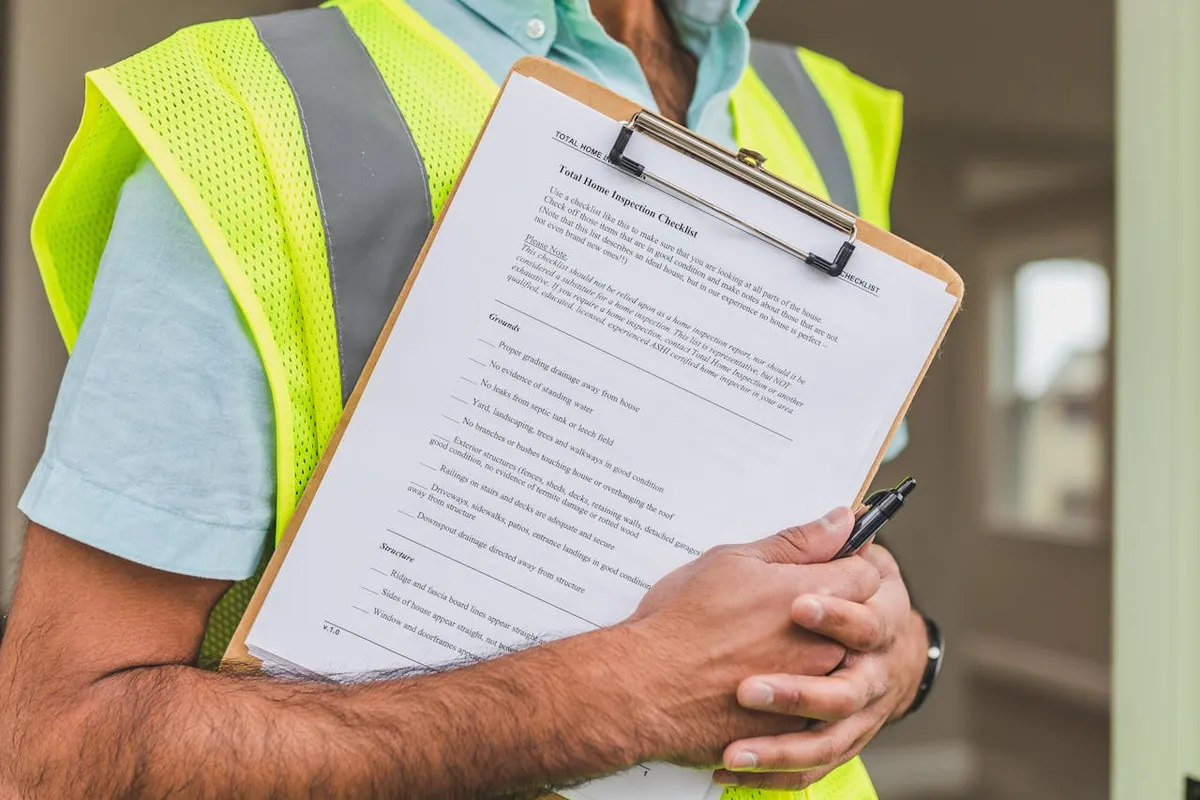
Preparation saves time. It also prevents awkward moments where a landlord asks for something you don’t have. Before any viewing, confirm your budget ceiling and gather the paperwork landlords routinely ask for, such as a valid ID, proof of income, and a barangay clearance if you have one.
Documents to bring:
- One valid government ID (national ID, passport, or driver’s license)
- Proof of income: latest payslip, certificate of employment, or freelance contract — landlords in buildings like Avida Towers Davao and Abreeza Residences typically require this
- Barangay clearance from your current address (some landlords request this, especially for boarding houses and smaller apartments)
- NBI clearance (less common, but some property management companies in Lanang require it)
Budget to confirm before viewing: Your total move-in cost is not just rent. Use the move-in calculator first — it adds the deposit, advance, broker, DLPC, DCWD, internet, and pet lines so you know the full upfront amount before you start looking.
| Category | Range (PHP) | Notes |
|---|---|---|
| Security deposit (2 months) | 14,000–50,000 | Based on rent of PHP 7,000-25,000 |
| Advance rent (1 month) | 7,000–25,000 | |
| DLPC electricity deposit | 1,000–3,000 | Meter transfer or new connection |
| DCWD water connection | 500–1,500 | If not already active |
| Internet installation (Converge/PLDT) | 0–2,500 | Some plans waive install fee |
| Condo association move-in deposit | 0–15,000 | Condo buildings only, refundable |
| Moving costs (Davao) | 500–3,000 | Pickup truck or L300 van hire |
| Total | 23,000–100,000 |
Estimates as of Early 2026. Actual costs vary by building, usage, and lifestyle.
The 30% rule still holds. Keep your monthly rent at or below 30% of take-home pay. A BPO worker earning PHP 25,000 per month should target units at PHP 7,000–8,000/month (early 2026) — which means studios in Matina, Ecoland, or parts of Bajada. For a broader breakdown by income level, see the cost of living guide.
Where to Find Apartments in Davao
Most apartment listings in Davao City circulate on Facebook — not property portals. The main groups to join are “Davao City Apartments/Rooms for Rent,” “Davao Rentals,” and “Davao City House and Lot for Rent.”
Filter posts by date (last 7 days) to avoid stale listings. Direct landlord posts typically include unit photos, location, and a phone number, broker posts use stock photos and vague locations.
Red flags in online listings: no interior photos, “PM for price,” requests for reservation fees via GCash before a viewing, and listings reposted under multiple accounts. These patterns are common in rental scam operations targeting Davao renters.
Never send money sight unseen. Visit the unit, verify the landlord’s ID, and see proof of ownership.
Walk-in search still works in Davao. In areas like Bajada, Obrero, and Matina, “For Rent” signs are posted on building gates and tarpaulins along main roads.
Walking JP Laurel Avenue between Bajada and Matina or along Quimpo Boulevard near Ecoland reveals units that never appear online, these landlords often offer lower rents because they don’t pay broker commissions.
When to Start Your Search
Timing affects both availability and price. The highest rental demand in Davao hits during three periods: January-February (BPO hiring peak in the Matina IT corridor), May-June (academic enrollment at Ateneo de Davao, University of Mindanao, and UP Mindanao), and August (Kadayawan Festival drives short-term demand).
If you can time your search for March-April or September-October, you’ll find more vacancies and more negotiating room. Units that sit vacant through these off-peak months are the ones where landlords drop asking prices by PHP 500–2,000/month (early 2026) .
During the Viewing: Physical Inspection Checklist
Visit the unit in person — never commit based on photos alone. Schedule the viewing during the day so you can see natural light and check for issues that darkness hides.
Water pressure and plumbing:
- Turn on every faucet (kitchen, bathroom sink, shower) simultaneously and check pressure. Upper-floor units in older buildings along Quirino Avenue and Quimpo Boulevard often have weak pressure during peak hours (6-8 AM, 6-8 PM).
- Flush the toilet and watch how quickly the tank refills.
- Check under sinks for leaks, water stains, or mold.
- Ask if the building has a water tank or relies solely on DCWD direct supply, buildings without tanks experience outages during DCWD maintenance.
Electrical system:
- Test every light switch and outlet. Bring your phone charger — plug it in and verify it charges.
- Check the DLPC meter: is it inside or outside the unit? Is it a dedicated meter or a sub-meter from the landlord? Sub-metering often costs more per kWh because landlords add a markup.
- Count the outlets per room. Studios in older buildings sometimes have only 1-2 outlets per room, forcing you to use extension cords for everything.
- Look at the circuit breaker panel. If the labels are missing or wires look exposed, that’s a maintenance red flag.
Walls, ceiling, and floors:
- Check for cracks, especially around windows and door frames, these can indicate structural settling.
- Look for water stains on the ceiling. Brown or yellow rings mean a leak from above, which will recur.
- Test the floor for uneven tiles or soft spots, particularly in bathrooms.
Windows and ventilation:
- Open and close every window. Check that locks work and screens are intact, mosquitoes in Davao carry dengue, and the Davao City Health Office regularly issues advisories during rainy months.
- Note which direction the windows face. West-facing units get direct afternoon sun, pushing AC costs up by PHP 500–1,500/month (early 2026) compared to east-facing or shaded units.
Air conditioning:
- If the unit has AC, turn it on and let it run for 10 minutes. Listen for rattling, check if it actually cools, and look for water dripping from the indoor unit (which signals a clogged drain line).
- Check the AC type: inverter units cost roughly PHP 2,500–4,000/month (early 2026) to run at 8 hours daily on DLPC rates. Non-inverter window types run PHP 4,000–6,000/month (early 2026) for the same usage. This single appliance drives most of your electricity bill. For the full breakdown, see the electricity cost guide.
Flood risk:
- Check if the unit is in or near a flood-prone zone before the viewing, not after you’ve signed. Matina Crossing, Matina Pangi, and Matina Gravahan (where the Pangi River meets the Davao River) are among the top flood-risk areas in the city. Bankerohan and parts of Agdao near the creek also flood during heavy rains.
- Ask the landlord and building guard directly: “Has this building flooded in the past 5 years? How high did the water reach?” Ground-floor units in flood zones are far riskier, even a 6-inch flood ruins furniture and appliances.
- Check for waterline stains on exterior walls and in parking areas. These are the physical evidence landlords won’t volunteer.
- Read the full Davao flood map guide before shortlisting any unit, especially in Matina or Agdao.
Pests:
- Look inside cabinets, behind the refrigerator (if furnished), and under sinks for droppings or dead insects.
- Ask the landlord when the last pest treatment was done. Buildings near Bankerohan Public Market or along Davao River tend to have more pest pressure.
The Lease Contract: What to Read Before Signing
A verbal agreement is not enough. Insist on a written lease contract and read every clause — not just the rent amount. The Davao lease agreement red flags guide walks through the specific clauses to refuse before you sign. Here’s what to look for:
Standard terms to confirm:
- Monthly rent amount, due date, and accepted payment methods (bank transfer, GCash, cash with official receipt)
- Lease duration (6 or 12 months is standard in Davao)
- Deposit amount: the legal maximum under RA 9653 (Rent Control Act) is 2 months’ security deposit plus 1 month advance rent. The DHSUD enforces this for residential units within the rent ceiling
- Deposit return timeline: 30 days from move-out is standard practice
- Who pays for what repairs (structural issues, plumbing, appliance replacement, typically the landlord’s responsibility)
Red flag clauses:
Ask for copies of:
- The signed lease (both parties should have originals)
- Official receipts for all payments
- The condo corporation house rules (if renting in a condo building like Verdon Parc, Suntrust Asmara, or 202 Peaklane)
- The landlord’s valid ID and proof of ownership (Transfer Certificate of Title or Condominium Certificate of Title)
For a deeper look at your legal protections, read the tenant rights guide and the deposit rules guide.
Move-In Documentation: Photo Everything
The 30 minutes you spend documenting the unit on move-in day can save you thousands of pesos at move-out. Landlords who skip documentation tend to be the same ones who claim damages later.
What to photograph (with timestamps on):
- Every wall in every room — shoot from corner to corner
- All floors, especially tile grout and edges
- Inside every cabinet and closet
- Bathroom fixtures: toilet, shower, sink, tiles, grout, mirror
- Kitchen: countertop, sink, stove (if provided), range hood
- Every appliance included in the lease (AC, refrigerator, washing machine), photograph model numbers and current condition
- Windows: frames, locks, screens
- The front door lock and keys
- The DLPC meter reading and DCWD meter reading on your first day
How to create a record:
- Take a full video walkthrough of the unit with your phone’s timestamp visible.
- Email the photos and video to yourself immediately, this creates a dated digital record that holds up in disputes.
- Share the photos with the landlord via email (not just text message) and ask them to acknowledge receipt.
- If the landlord agrees to fix anything before move-in, get that commitment in writing with a deadline.
Any existing damage, scuff marks, chipped tiles, stained grout, dented appliances, should be listed. If you don’t document it now, the landlord can claim you caused it.
Your First Month: Total Budget Reality
Move-in costs are the upfront hit. But your first full month includes ongoing expenses that many first-time renters underestimate. Here’s what a BPO worker renting a studio in Matina or Ecoland actually spends:
| Category | Range (PHP) | Notes |
|---|---|---|
| Rent (studio, Matina/Ecoland) | 7,000–10,000 | |
| Electricity (DLPC, AC 6-8hrs/day) | 2,500–4,500 | Inverter AC; non-inverter adds PHP 1,500-2,000 |
| Water (DCWD) | 200–500 | |
| Internet (Converge/PLDT fiber) | 1,500–1,999 | |
| Food (mix of carinderia + cooking) | 5,000–8,000 | |
| Transport (jeepney + occasional Grab) | 1,000–2,500 | |
| Phone load (Globe/Smart) | 300–599 | |
| Misc (laundry, toiletries, household) | 1,000–2,000 | |
| Total | 18,500–30,098 |
Estimates as of Early 2026. Actual costs vary by building, usage, and lifestyle.
A remote worker renting a one-bedroom in Lanang or Bajada at PHP 15,000–22,000/month (early 2026) should budget PHP 28,000–42,000/month (early 2026) total, higher rent, but similar utility and food costs. For detailed breakdowns by income level, see the cost of living guide.
First Week Setup: Utilities and Internet
Once you have the keys, the priority is getting utilities connected. Delays here mean days without power, water, or internet.
Electricity (DLPC): If the meter needs a name transfer, visit the Davao Light and Power Company office with your lease contract, valid ID, and the previous tenant’s final bill (ask the landlord for this). Transfer takes 3-5 business days. If it’s a new connection, expect PHP 1,000–3,000 (early 2026) for the service deposit.
Water (DCWD): Similar process, visit the Davao City Water District office with your lease and ID. If the account is active, the landlord can authorize a name transfer. New connections cost PHP 500–1,500 (early 2026) and take 5-7 business days.
Internet: Converge and PLDT are the most reliable fiber options in central Davao. Converge has the strongest coverage in Agdao, Poblacion, Talomo, and Lanang. PLDT Fibr covers a wider area but often has longer installation wait times (1-3 weeks). Apply online and schedule installation for the earliest available date, don’t wait until after you’ve moved in.
For the full step-by-step on each utility, the utilities setup guide covers every provider, office location, and timeline.
Other first-week tasks:
- Save Central 911 (Davao’s emergency hotline) in your phone, response times in Davao are faster than most Philippine cities
- Get a copy of the building’s emergency contacts and maintenance request process
- Introduce yourself to the building guard or nearest neighbor, community ties matter in Davao
- Register at the barangay hall if you’re new to the area (some barangays require this within 30 days)
- Test your phone signal from inside the unit, concrete condo buildings can kill signal strength for Globe and Smart users
Mga Tip Gikan sa Lokal
Renting your first apartment in Davao doesn’t require luck, it requires a checklist and the discipline to use it. The physical inspection catches problems that cost money every month (bad AC, weak water pressure, sub-metered electricity, a ground-floor unit in a flood zone).
The lease review catches clauses that cost money at move-out (vague deductions, no return timeline, no force majeure protection). And the move-in documentation protects the deposit you’ve already paid. Skip any of these steps and you’re relying on a landlord’s goodwill instead of evidence.
Frequently Asked Questions
- How much money do I need upfront to rent an apartment in Davao?
- Most landlords require 2 months' security deposit plus 1 month advance rent. For a studio at PHP 8,000-12,000 per month, expect to pay PHP 24,000-36,000 before moving in — plus utility connection fees of PHP 2,000-5,000 for electricity, water, and internet.
- What documents should I bring to an apartment viewing in Davao?
- Bring one valid government ID (national ID, passport, or driver's license), proof of income or employment (payslip or certificate of employment), and your own copy of questions and a checklist. Some landlords also ask for a barangay clearance from your current address.
- Can I negotiate rent with a Davao landlord?
- Yes, especially for units that have been listed for more than 30 days, bare (unfurnished) units, and during low-demand months like March, April, or October. Offering a longer lease term (12 months vs 6 months) or paying several months upfront can also lower the monthly rate.
- What are the biggest red flags in a Davao rental lease?
- Watch for deposits exceeding 2 months plus 1 month advance, vague maintenance responsibility clauses, no specified deposit return timeline, rent escalation clauses that allow mid-lease increases, and any clause requiring you to waive your right to a refund. If the landlord refuses to put terms in writing, walk away.
- Should I take photos before moving into a Davao rental?
- Absolutely. Take timestamped photos and video of every room, wall, floor, appliance, and fixture before moving anything in. Email these to yourself and share them with the landlord. This documentation is your primary protection against false damage claims when your deposit is returned.